

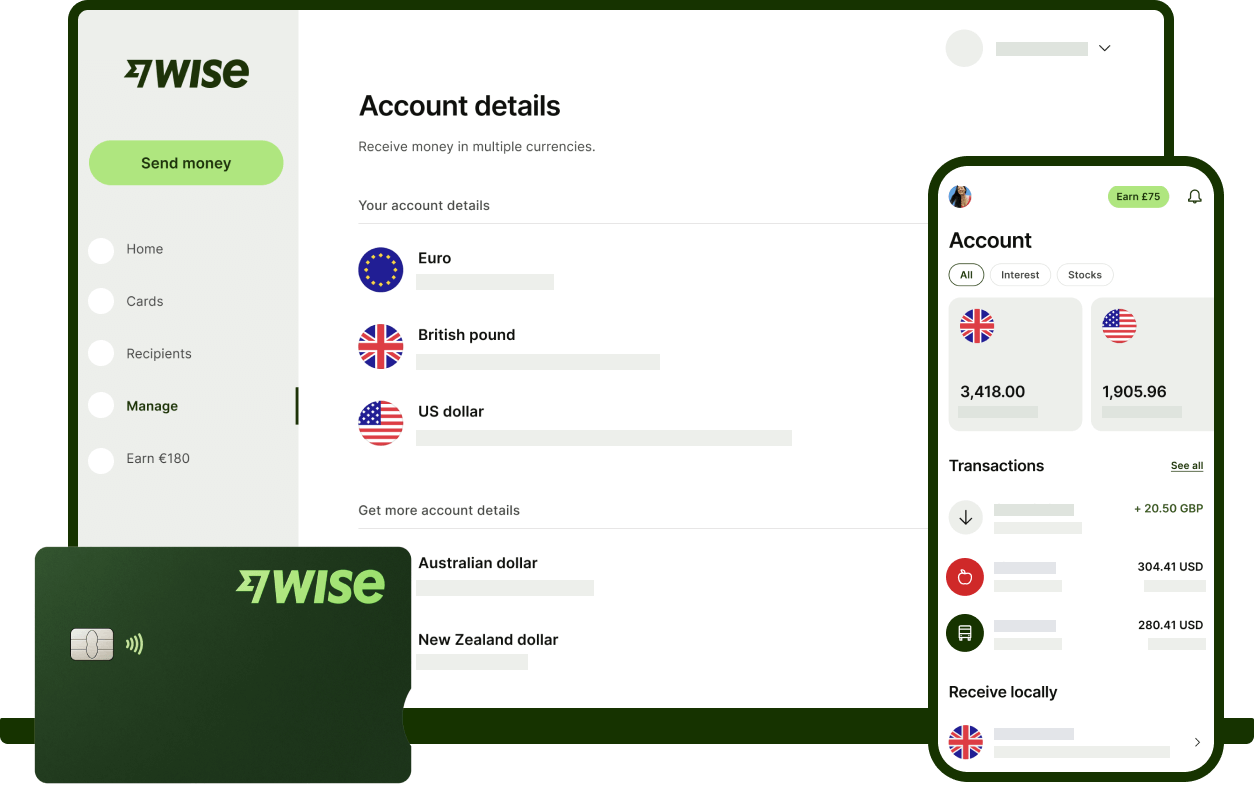
For most startups and small teams paying contractors abroad, Wise Business is the cheapest option. It converts at the mid-market exchange rate with a small, upfront fee, so a $2,000 payment typically costs around $7 to $15. Bank wires are usually the most expensive at $100+ once FX markups and intermediary fees are included. PayPal is convenient but costly once conversion spreads apply, and Payoneer works well when your contractors already use it.
Hiring a designer in Lisbon, a developer in Lahore and a marketer in Manila is normal now. Paying them is where the trouble starts.
You send $2,000. Your contractor receives something less, and nobody can quite explain where the difference went. Your bank shows a $45 fee. The real cost was closer to $140. Multiply that by every contractor and every month, and international payments quietly become one of your biggest operating leaks.
As a founder, I talk to startup teams every week who are building with people across several countries, and payments are one of the problems that comes up again and again. So in this guide I break down exactly what bank wires, Wise, PayPal and Payoneer cost when you pay global contractors. I run the same payment through all four, show where the hidden fees sit, and give you my honest recommendation for each kind of team.
Why Paying International Contractors Costs More Than You Think
Most founders look at the transfer fee and stop there. That fee is rarely the real cost.
The hidden FX markup
When a bank or payment app converts your dollars into euros, rupees or pesos, it usually doesn't use the real exchange rate. It adds a margin on top and quotes you a worse rate. You never see this as a line item. It's simply less money arriving on the other side.
This is where most of the cost hides. A UK study by payments consultancy Accourt found that over 96% of the costs small businesses pay on international transfers are hidden in the exchange rate. Founders sense this too. In research commissioned by Wise, 82% of US small business leaders either don't believe their bank is transparent about the cost of cross-border payments, or aren't sure.
Fees stacked on fees
An international payment can pass through several hands, and each one can take a cut:
- Your bank's sending fee
- The FX markup on conversion
- Intermediary (correspondent) bank fees along the route
- A receiving fee at your contractor's bank
- A withdrawal or platform fee if the money lands in an app first
The cost to your team, not just your budget
When your contractor receives $1,860 instead of the $2,000 you agreed, they notice. Some start asking you to cover fees. Others quietly raise their rates. Good remote talent has options, and the client who pays cleanly and on time keeps them. Slow, unpredictable payments damage trust in a way no fee table shows.
The admin drain
Paying 8 contractors in 5 currencies one by one, every month, eats hours a founder doesn't have. Add reconciliation, failed transfers and "where's my payment?" messages, and the true cost grows again. If your contractors bill you, a clean invoicing setup helps too. See our list of AI invoice generators.
The Four Options at a Glance
| Bank Wire (SWIFT) | Wise Business | PayPal | Payoneer | |
|---|---|---|---|---|
| Exchange rate | Bank rate with markup (often 2–4%) | Mid-market rate, no markup | PayPal rate with 3–4% spread | Up to 2% above market rate on bank payouts |
| Sending fee | $35–$50 per wire at most US banks | From 0.33%, shown upfront | Payouts: 2%, capped at $20 international | Up to 2% to bank; Payoneer to Payoneer from $4 or 1% |
| Extra charges | Intermediary ($15–$50) and receiving (~$15) fees | Small one-time setup fee in some regions | Recipient may pay receiving and withdrawal fees | Recipient withdrawal and annual fees may apply |
| Speed | 2–5 business days | Many payments arrive in seconds; most within a day | Instant to PayPal balance; withdrawal takes longer | Minutes between accounts; about a day to banks |
| Recipient needs an account? | No, bank details only | No, paid straight to their bank | Yes, a PayPal account | Usually yes, or bank details |
| Batch payments | Rarely, and manual | Up to 1,000 in one batch | Payouts (needs approval) | Up to 1,000 per batch |
| Currencies | Depends on bank | 40+ currencies, 140+ countries | Around 25 currencies | 70+ currencies |
| Best for | Large one-off payments | Recurring contractor payroll at the lowest cost | Small, quick payments to PayPal users | Contractors already on Payoneer |
Option 1: Bank Wire (SWIFT Transfer)
The bank wire is the default for many companies simply because the account already exists. It is also usually the most expensive way to pay someone abroad.
What it really costs
A bank wire has four layers of cost:
- Sending fee. According to NerdWallet and Bankrate data summarised by Corpay, outgoing international wires typically cost $35 to $50 at US banks.
- FX markup. If the bank converts the currency, it builds a margin into the rate. This is often 2–4%, and banks rarely publish it.
- Intermediary fees. SWIFT payments often route through correspondent banks, and each can deduct a "lifting fee" of roughly $15 to $50. Your contractor receives less than you sent, and neither of you knows in advance how much less.
- Receiving fee. Many banks charge the recipient around $15 to accept an incoming international wire.
The OUR / SHA / BEN trap
Wires come with a charge code that decides who pays the fees:
- OUR: you pay all fees, including intermediary fees (usually the most expensive for you)
- SHA: you pay your bank's fee, and the contractor pays the rest
- BEN: the contractor pays everything
Most wires default to SHA, which is why contractors so often receive a random, smaller amount.
Pros
- Universally accepted
- No new account needed
- Good for very large one-off payments
Cons
- High, unpredictable total cost
- Slow (2–5 business days)
- Hard to track; poor for monthly payroll
Option 2: PayPal
PayPal is familiar and fast to set up, which is why many first-time founders start here. The cost becomes clear once you pay people regularly.
What it really costs
- Paying for "goods and services". If you pay a contractor this way, the contractor usually pays the fee. For a US account, an international commercial payment costs around 3.49% + $0.49 plus a 1.5% cross-border fee, so close to 5% before any conversion.
- PayPal Payouts. For businesses sending to many people, PayPal Payouts typically charges 2% per payment, with international payouts capped at $20. Access requires approval.
- Currency conversion. Whenever PayPal converts money, it adds a spread of roughly 3–4% above the base exchange rate. This often happens automatically when the contractor withdraws to a local bank in a different currency.
Pros
- Almost everyone recognises it
- Instant transfer to a PayPal balance
- Protection on commercial payments
Cons
- Costly conversion spreads
- Contractor often carries the fees
- Recipient needs a PayPal account
Option 3: Payoneer
Payoneer is built around cross-border business payments and is popular with freelancers who sell on marketplaces like Upwork and Fiverr. If your contractors already have Payoneer accounts, it can be a smooth choice.
What it really costs
- Payoneer to Payoneer. Payments between Payoneer accounts used to be free. Since 2025, they cost $4 for accounts in the same country and 1% (minimum $4) for accounts in a different country.
- To a bank account. Sending from your Payoneer balance to a recipient's bank account carries a fee of up to 2% above the market rate, according to Payoneer's pricing.
- Recipient-side costs. Contractors can face withdrawal fees of 1.2–4% when they convert to their local currency, plus a $29.95 annual fee on low-activity accounts.
Pros
- Strong for marketplace freelancers
- 70+ currencies
- Batch payments up to 1,000
Cons
- "Up to" pricing is hard to predict
- Recipients often pay their own fees
- Best only when both sides use it
Option 4: Wise Business
Wise was built to fix the hidden FX problem. Instead of adding a markup to the exchange rate, Wise converts at the mid-market rate (the real rate you see on Google) and charges a small, transparent fee that it shows before you send.
What it really costs
- Transfer fee: variable, starting from around 0.33% depending on the currency route
- Exchange rate: mid-market, with no hidden margin
- Monthly fee: none
- Setup: a small one-time fee in some regions to unlock full account features and local account details
Because the fee is shown upfront, you know exactly what your contractor will receive before you click send. No surprises, no intermediary deductions, and no "where did the $140 go?" emails.

Features built for paying teams
- Batch payments. Pay up to 1,000 contractors, suppliers or invoices in one go by uploading a single file, in multiple currencies.
- Fast delivery. According to Wise, 60% of payments arrive within 20 seconds, and you can track each transfer.
- Global reach. Send in 40+ currencies to 140+ countries.
- No account needed for recipients. Your contractor gets paid straight into their local bank account.
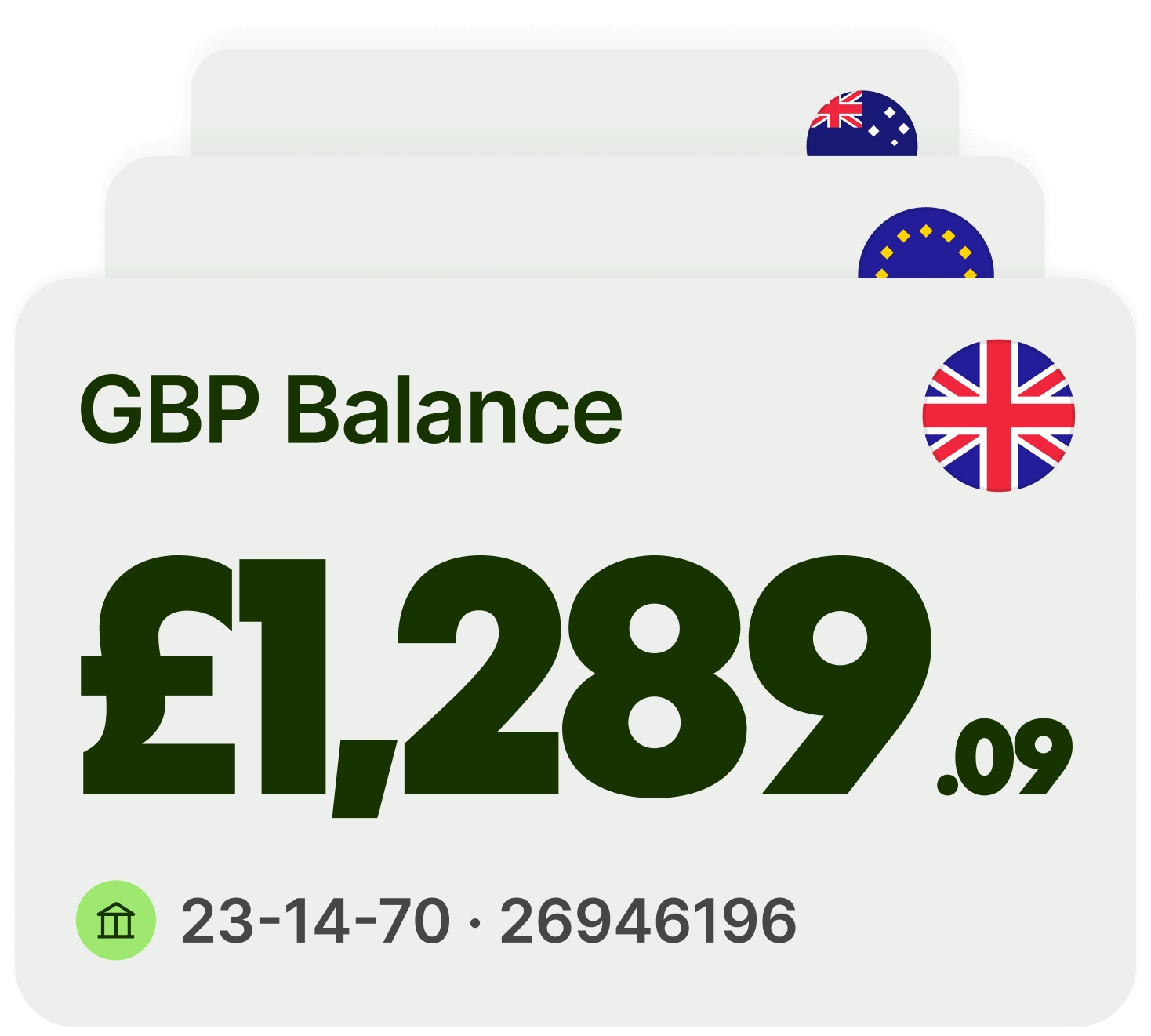
- Multi-currency balances. Hold and manage 40+ currencies, so you can keep EUR or GBP ready for payroll.
- Local account details. Receive client payments like a local in major currencies, which also helps when you invoice international customers.
- Team access and cards. Add team members with controlled permissions and issue debit cards for expenses in 160+ countries.
- Integrations. Connect with Xero and QuickBooks, and use the Wise API to automate recurring payouts.
Where Wise isn't the right fit
To be fair, Wise isn't for everyone. Recipients receive bank transfers rather than wallet or cash options. Wise handles the money movement, not contractor compliance, contracts or tax forms, so teams that need an employer of record still need a separate tool for that layer. Fees also vary by currency route, so check the exact price for yours.
Paying a remote team every month?
Open your Wise account and see the exact fee for your next contractor payment. New users get a free card and a fee-free transfer of up to 500.
Get a Free Wise Card and a Fee-Free Transfer
If you're ready to try Wise, you can start with a welcome offer. Sign up through the Grovers invite link and you get:
Free Wise card
Get your Wise debit card free and spend in 160+ countries at the mid-market rate.
Fee-free transfer up to 500
Send your first transfer of up to 500 with no Wise fee. It's an easy way to test the real cost on a live contractor payment.
Claim your free card and fee-free transfer
The offer is provided by Wise through its invite program. Eligibility, currencies and terms are set by Wise and can vary by country.
The Real Cost: One $2,000 Payment, Four Ways
Here is the same payment run through each method: a US startup pays a contractor in Europe $2,000, and the contractor needs euros. These are illustrative estimates based on each provider's published fee ranges as of November 2026.
| Cost item | Bank Wire | PayPal Payouts | Payoneer (to bank) | Wise Business |
|---|---|---|---|---|
| Sending fee | $35–$50 | $20 (capped) | Included in rate | ~$7–$15 |
| FX markup | 2–4% ($40–$80) | 3–4% ($60–$80) | Up to 2% (up to $40) | $0 (mid-market rate) |
| Intermediary fees | $15–$50 | None | None | None |
| Recipient's receiving fee | ~$15 | Possible withdrawal fees | Possible withdrawal fees | None from Wise |
| Estimated total cost | $105–$195 | $80–$100 | Up to ~$40 | ~$7–$15 |
| Cost as % of payment | 5.3–9.8% | 4–5% | Up to ~2% | ~0.35–0.75% |
What that means over a year
Now scale it up. A small team pays 5 contractors $2,000 each, every month. That's 60 payments and $120,000 a year.
| Method | Estimated annual fees | What that money could have paid for |
|---|---|---|
| Bank Wire | $6,300–$11,700 | Several months of an extra part-time contractor |
| PayPal Payouts | $4,800–$6,000 | A full month of one contractor's pay |
| Payoneer | Up to ~$2,400 | Better, but recipient fees can add more |
| Wise Business | ~$420–$900 | Thousands saved every year |
The difference between a bank wire and Wise on this team alone can be over $10,000 a year. For a seed-stage startup, that's runway.
Which Option Should You Choose?
There's no single winner for every case, but the patterns are clear. Here is how I'd decide.
- Choose a bank wire when you send one large, rare payment (for example, a supplier invoice) and both sides need a formal bank-to-bank transfer.
- Choose PayPal for a small, one-off payment to someone who already uses PayPal and values speed over cost.
- Choose Payoneer when your contractors already receive their marketplace income through Payoneer and prefer it.
- Choose Wise Business when you pay contractors regularly, across several countries, and want the lowest predictable cost with the least admin. For most startups and remote-first teams, this is the strongest default.
A simple decision guide
| If you... | Best pick |
|---|---|
| Pay 3+ contractors every month | Wise Business |
| Pay contractors in different currencies | Wise Business |
| Need contractors to receive the full agreed amount | Wise Business |
| Send one large payment a year | Bank wire or Wise |
| Pay one freelancer who only accepts PayPal | PayPal |
| Pay marketplace freelancers already on Payoneer | Payoneer |
How to Switch Your Contractor Payments to Wise
Moving your payroll takes less than an afternoon.
- Open a Wise Business account. Sign up here and verify your business details.
- Add funds. Top up your balance by bank transfer, or hold the currencies you pay in most.
- Add your contractors. Enter their local bank details once. They don't need a Wise account.
- Set up a batch. Upload a CSV with each contractor's amount and currency, and review the exact fee and delivery time for each line.
- Pay and track. Fund the batch in one step and follow each transfer until it lands.
- Connect your accounting. Link Xero or QuickBooks so payments reconcile automatically.

Are you a freelancer or contractor?
A Wise personal account gives you local account details to receive client payments in major currencies, then convert at the mid-market rate before withdrawing to your local bank.
Tips to Cut International Payment Costs (Whichever Tool You Use)
- Always compare the amount that lands, not the fee. Ask what your contractor will receive in their currency.
- Check the exchange rate against the mid-market rate. Any gap is a hidden fee.
- Pay in the contractor's local currency so their bank doesn't convert it again at a poor rate.
- Batch your payments on a fixed schedule instead of sending them one by one.
- Avoid SHA wires if you want contractors to receive the full amount.
- Review your costs every quarter. Fees change, and the tool that suited 2 contractors may not suit 20.
Running a lean AI startup or remote team? Browse more money-saving software and verified offers on the Grovers deals page, or find the right tools for your stack in our AI tools directory.
Frequently Asked Questions
What is the cheapest way to pay international contractors?
For most small businesses and startups, Wise Business is the cheapest way to pay international contractors. It uses the mid-market exchange rate with no markup and charges a transparent fee from around 0.33%, which is usually far lower than a bank wire or PayPal once currency conversion is included.
Is Wise cheaper than PayPal for business payments?
Yes, in most cases. PayPal adds a currency conversion spread of roughly 3–4% on top of its fees, while Wise converts at the mid-market rate and shows its fee upfront. On a $2,000 payment that needs conversion, the difference can be $70 or more.
Is Wise cheaper than Payoneer?
Usually, yes, for payments to bank accounts. Payoneer charges up to 2% above the market rate when sending to a bank account, and contractors may pay withdrawal fees on their side. Wise uses the mid-market rate and doesn't charge the recipient. Payoneer can be cheaper only when both sides already hold balances in the same currency.
Why do bank wires cost so much?
Bank wires combine a sending fee ($35–$50 at most US banks), a hidden FX markup (often 2–4%), intermediary bank fees ($15–$50 each) and a receiving fee (around $15). Together these can reach 5–10% of a typical contractor payment.
Do my contractors need a Wise account to get paid?
No. Wise pays directly into your contractor's local bank account. They don't need to sign up for anything, although many freelancers open a Wise account to receive and convert payments more cheaply.
Can I pay multiple contractors at once with Wise?
Yes. Wise Business batch payments let you pay up to 1,000 recipients in one go by uploading a single file, across multiple currencies.
Is Wise safe for business payments?
Wise is a regulated money services business licensed in the countries where it operates. It isn't a traditional bank, but it is regulated by financial authorities and serves millions of personal and business customers worldwide.
Does Wise handle contractor compliance and tax forms?
No. Wise moves the money. Contracts, worker classification and tax forms are separate, so you may pair Wise with a contractor management or employer-of-record tool if you need that layer.
The Bottom Line
Paying global contractors shouldn't cost you 5–10% of every invoice. Bank wires hide most of their cost in the exchange rate and intermediary fees. PayPal is convenient but expensive once currencies change. Payoneer works well inside its own network.
My advice to any founder paying people across borders every month is simple: stop judging providers by the transfer fee and start judging them by the amount that lands. On that measure, Wise Business offers the clearest mix of low cost, speed and simple batch payroll. You see the exact fee before you send, your contractors receive the full amount you expect, and you get hours of admin back to spend on growing the business.
Stop losing money on every payment
Sign up through Grovers and get a free Wise card plus a fee-free transfer of up to 500.

Anzal, Founder & CEO of Grovers AI
Anzal is the founder and CEO of Grovers AI, the platform that connects AI users with the AI tools they need and helps AI companies get discovered by people and AI search engines. With 10+ years in digital marketing, SEO and AI visibility, he writes about the tools and systems that help startups and lean teams grow.
Fees and features are based on publicly available pricing as of November 2026 and vary by country, currency and account type. Always check each provider's website for current rates. This article is for general information and is not financial advice. Grovers may receive a commission from Wise for sign-ups made through links on this page. Product images belong to Wise and are used for editorial reference.